If your cafe’s kitchen smells less like fresh espresso and more like a smoky grease trap, you know the problem. Rangehoods are the unsung heroes of the commercial kitchen, working tirelessly to keep the air breathable and the food safe. But over time, they become colossal collectors of carbon, oil, and the general detritus of a busy service. For cafe owners, the question of how much does rangehood cleaning cost for a cafe? often feels like staring into a financial abyss of unknown variables. It’s a question that requires more than a simple number; it requires understanding the complexity of the job. Rest assured, while we can’t give you a fixed quote without seeing the grime (and the equipment!), we can demystify the entire process, helping you understand what factors drive the price and, more importantly, why investing in professional cleaning is non-negotiable.
The Variables That Determine Your Price Tag
The single biggest mistake cafe owners make is assuming that all rangehood cleaning is a one-size-fits-all job. It’s not. The cost is less about the cleaning itself and more about the scope and difficulty of the cleaning. Think of it like diagnosing a car: the cost of the repair depends entirely on whether it's a flat tire or a blown transmission.
Size and Type of Equipment
The sheer scale of your kitchen equipment is the primary cost driver. A small, single-burner setup is a far cry from a high-volume, three-station professional kitchen.
- Rangehood Dimensions: Are we talking about a standard 6-foot hood, or a massive, complex custom unit spanning 15 feet? The square footage dictates the labor hours. Integrated Systems: Does the rangehood system incorporate ventilation ducts, filters, and extraction fans that need separate attention? The more interconnected components, the more time and specialized tools are required. Material Composition: Some older systems use materials that require specialized, non-abrasive chemicals, which can increase the cost and complexity of the service.
Grease Build-up and Contaminant Level
This is perhaps the most unpredictable, yet critical, variable. A "routine" clean after a month of moderate business is vastly different from a "deep restoration" clean after a three-month period of neglect.
The level of buildup acts like a multiplier on the labor cost. If the grease has hardened into a thick, carbonized layer—a true geological formation—the cleaning team must spend significantly more time scraping, soaking, and manually removing the material. It’s a true testament to the power of kitchen grease!
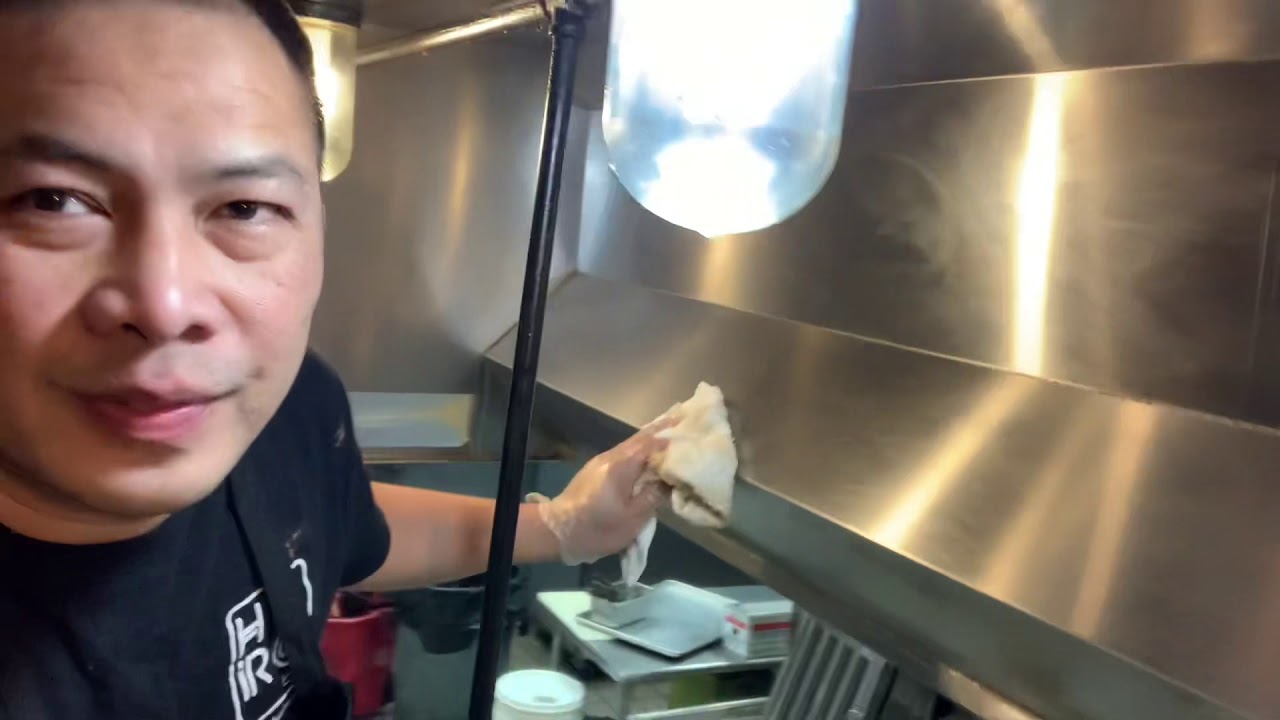
Location and Compliance Requirements
Beyond the physical mess, the operational environment adds layers of complexity. Are you located in a densely populated commercial zone with strict local health codes? Do you need the cleaning process to adhere to specific fire safety regulations?
- Regulatory Mandates: Some areas require specific certification documentation after cleaning, adding administrative costs. Access: If the rangehood is situated in a difficult-to-access area (like a basement or a cramped back alley), the logistics of getting the equipment and crew in place can drive up the labor rate.
What Exactly Does Professional Rangehood Cleaning Entail?
When you pay for professional service, you aren't just paying for soap and scrubbing brushes. You are paying for expertise, safety, and compliance. Understanding the process helps you appreciate the value and justifies the investment.
The Deep Clean Process
A professional deep clean is a multi-stage operation designed to achieve optimal hygiene and efficiency. This process goes far beyond simply wiping down surfaces.
The typical process involves:
- Initial Inspection: Assessing the scope of the job and identifying specific problem areas (e.g., clogged filters, specific chemical residues). Chemical Breakdown: Applying industrial-grade degreasers and specialized chemicals that break down polymerized fats and oils. These chemicals are engineered to be powerful yet safe for commercial kitchen materials. Physical Removal: Using specialized tools (like vacuum systems and scraping equipment) to physically lift the sludge and grease cake. Rinsing and Sanitization: Thorough rinsing to remove all chemical residue, followed by a sanitizing wash to ensure the equipment meets the highest public health standards.
Safety and Certification
The industry relies heavily on professional certification because safety is paramount. A reputable cleaning company will provide:
- Insurance and Bonding: Protecting your business from unforeseen damages. Trained Personnel: Staff who understand the volatile nature of grease and the safe handling of industrial chemicals. Documentation: Providing you with a clean report and documentation that proves the work was done to code.
As one local health inspector noted, "A clean rangehood isn't just about looking good; it’s about preventing a fire and passing an audit. It's the difference between a smooth day and a stressful night."
Understanding the Full Investment (The Financial Picture)
So, circling back to the initial, unavoidable question: how much does rangehood cleaning cost for a cafe?
While we can't provide a quote here, we can break down the cost structure to help you budget effectively. The final price is generally a combination of three major components:
- Labor Costs: This is the largest portion. It accounts for the time needed for preparation, the actual cleaning, and the final inspection. Materials Costs: This includes the specialized, high-grade chemicals and the disposal fees associated with the massive volume of grease waste generated. Equipment Rental/Tooling: For large jobs, specialized vacuum systems or scaffolding might be needed, which are factored into the service fee.
Prevention vs. Cure: The ROI of Regular Cleaning
Think of regular rangehood cleaning not as an expense, but as a preventative maintenance investment. If you wait until the grease buildup is catastrophic, the cost escalates rapidly. You move from a simple cleaning job to a potentially expensive system overhaul.
Consider this analogy: neglecting the rangehood is like ignoring a leaky faucet. Eventually, the drip becomes a flood, and the repair is exponentially more costly than simply tightening the washer.
Regular cleaning keeps your kitchen running like clockwork, minimizing downtime and maximizing the lifespan of your expensive equipment.
Planning for a Clean Kitchen Future
Ultimately, the best way to determine how much does rangehood cleaning cost for a cafe? is to get a detailed, on-site consultation. The professionals need to see the scale of the problem—the actual grime—to give you an accurate quote.
When soliciting bids, don't just ask for the lowest number. Instead, ask for a detailed breakdown that specifies:
- The number of man-hours allocated. The type and strength of chemicals used. A warranty or guarantee on the cleanup process.
A great service provider should act as a consultant, not just a cleaning crew. They should educate you on best practices, recommend optimal cleaning frequencies, and help you maintain the highest standards of kitchen hygiene. By prioritizing expertise and preventative care, you ensure your kitchen remains a beacon of delicious aromas, not a grease-stained cautionary tale.
Need clarity on your specific needs? Contact a professional service today to schedule an assessment and receive a transparent, no-obligation quote.