The modern kitchen is a stage for culinary magic, but beneath the steam and aroma of gourmet meals lurks a serious safety concern: accumulated grease. While you might view your rangehood as merely an appliance that sucks up smoke, the fire marshal sees it as a potential fuel source. Failing an inspection due to poor ventilation maintenance can lead to costly fines or, worse, forced operational shutdowns. If the thought of navigating a smoke-filled, grease-laden inspection inspection makes you nervous, you are not alone. This detailed guide will demystify the process of rangehood cleaning for fire marshal inspection readiness, transforming a daunting chore into a manageable safety routine.
Understanding the Fire Safety Imperative
Why is this so critical? It’s not just about aesthetics; it's about risk mitigation. Grease, dust, and cooking vapors combine in a highly volatile mix, creating a perfect fuel triangle—fuel, oxygen, and heat. Over time, this build-up can become combustible, posing a genuine fire hazard that inspectors are trained to spot. Understanding the gravity of the situation is the first step toward prevention.
The Chemistry of Kitchen Fire Hazards
Grease residue, microscopic cooking splatters, and airborne particulates are the primary culprits. When these substances accumulate on filters, ductwork, and the hood itself, they essentially turn your powerful ventilation system into a slow-motion grease bomb.
- Combustible Build-up: Grease is an oily substance that, when exposed to high heat sources (like a gas burner), can ignite rapidly. Hidden Danger: The most dangerous areas are often those that are out of sight, such as the ductwork connecting the rangehood to the exterior vent. The "Ticking Time Bomb" Metaphor: Think of neglected grease buildup as a ticking time bomb. It doesn't explode immediately, but the potential for a catastrophic failure is always present.
What Fire Marshals Are Really Looking For
Fire marshals are not looking for perfection; they are looking for due diligence. They want visual evidence that the facility owners take fire safety seriously. Their inspection checklist focuses heavily on three key areas:
Visible Cleanliness: Are the exterior and interior surfaces of the rangehood free of heavy, visible grime? Filter Integrity: Are the grease filters removed, clean, and easily replaceable? Are they coated in thick, hardened grease? Accessibility: Is the entire system accessible? Can an inspector easily see the connections and ductwork?If the filters are caked and the ductwork is visibly coated, the risk assessment will fail, regardless of how clean the stovetop looks.
Mastering the Science of Deep Cleaning
Successfully achieving rangehood cleaning for fire marshal inspection readiness requires a methodical approach—it is far more complex than simply wiping down the exterior. It requires tackling the grease at its source.
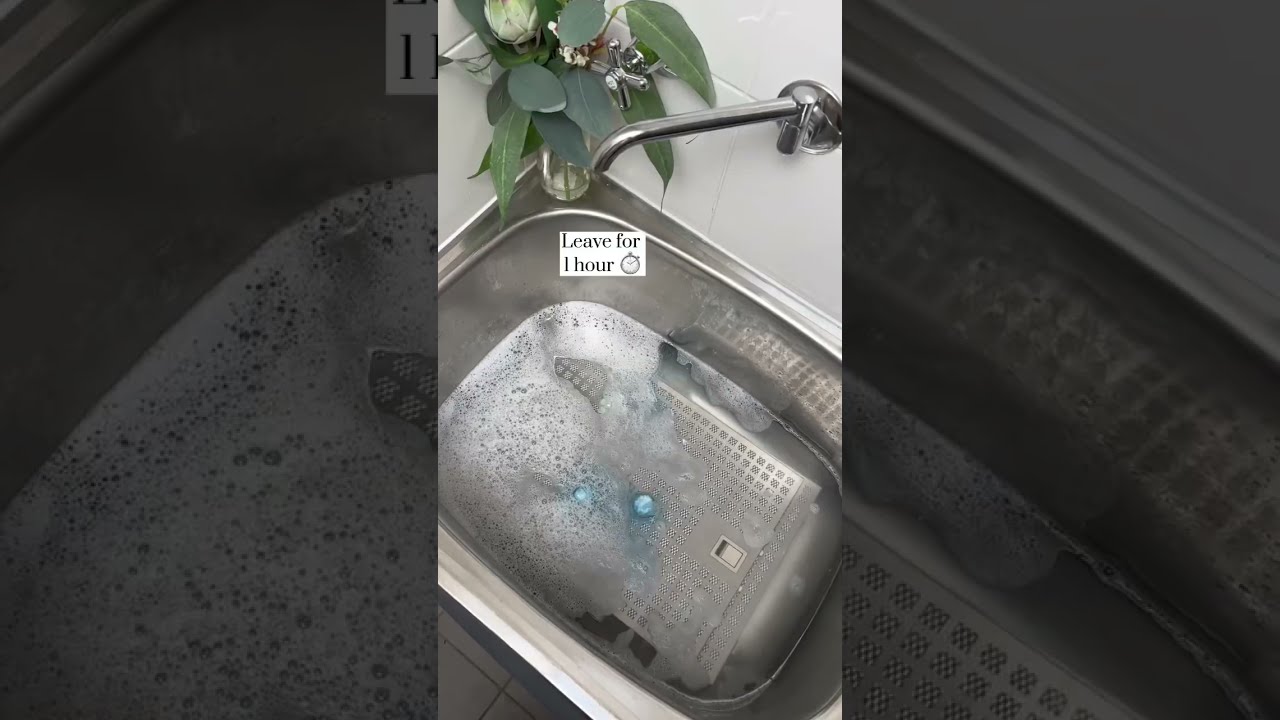
Identifying and Treating Grease Traps and Filters
The filters are your primary battleground. They are designed to capture grease, but if they are not cleaned properly, they become saturated, trapping residue that can eventually combust.

- The Filter Soak: Do not simply wipe the filters. They must be soaked in a specialized degreaser or a strong solution of hot, soapy water and baking soda. This allows the chemicals time to break down the hardened fats. Mechanical Cleaning: Once soaked, the filters should be scrubbed with a stiff-bristled brush. Never use abrasive scouring pads on the metal itself, as this can damage the material. Ductwork Inspection: If possible, the ductwork must also be inspected. For professional services, this involves specialized vacuuming and degreasing techniques that reach the core of the system.
Choosing the Right Cleaning Method
When tackling this task, the choice of cleaner is paramount. Using the wrong product can be ineffective or even damaging.
- Commercial Degreasers: These are generally the most effective choice for heavy-duty kitchen use. Look for products specifically labeled for kitchen ventilation systems. Steam Cleaning: Steam is excellent for loosening grime and sanitizing, making it a valuable complementary step. The DIY Dilemma: While vinegar and baking soda are great for minor kitchen grime, they are often insufficient to cut through years of baked-on, commercial-grade grease. For serious readiness, specialized products are your best ally.
Anecdote: I once inspected a restaurant kitchen where the hood looked immaculate, but the ductwork was so heavily coated with years of grease that the fire marshal made the owner realize they were essentially running a fire hazard. The lesson? What you can see is not always what is safe.
Sustaining Compliance and Peace of Mind
Passing an inspection is a singular event, but maintaining safety is an ongoing commitment. The goal is to build a habit, not just complete a one-time deep clean. How can you ensure your facility remains compliant year-round?
https://blogfreely.net/ewennaptfz/h1-b-expert-western-sydney-commercial-kitchen-ventilation-cleaningEstablishing a Routine Maintenance Schedule
Prevention is a far better investment than remediation. By treating maintenance as a non-negotiable part of your operations, you keep the risk profile low.
- Daily: Wipe down controls and exterior surfaces. Weekly: Remove and wash the grease filters. This is the most crucial step for everyday operation. Monthly/Quarterly: Conduct a deeper clean of the hood interior and check the visible ductwork for unusual buildup. Annually: Schedule a professional deep clean. Even if it seems overkill, a professional assessment of the entire system is the gold standard for rangehood cleaning for fire marshal inspection readiness.
Professional vs. DIY Solutions
Knowing when to call in the cavalry is key. While simple filter washing is a DIY task, deep cleaning the ductwork is often beyond the scope of a home user.
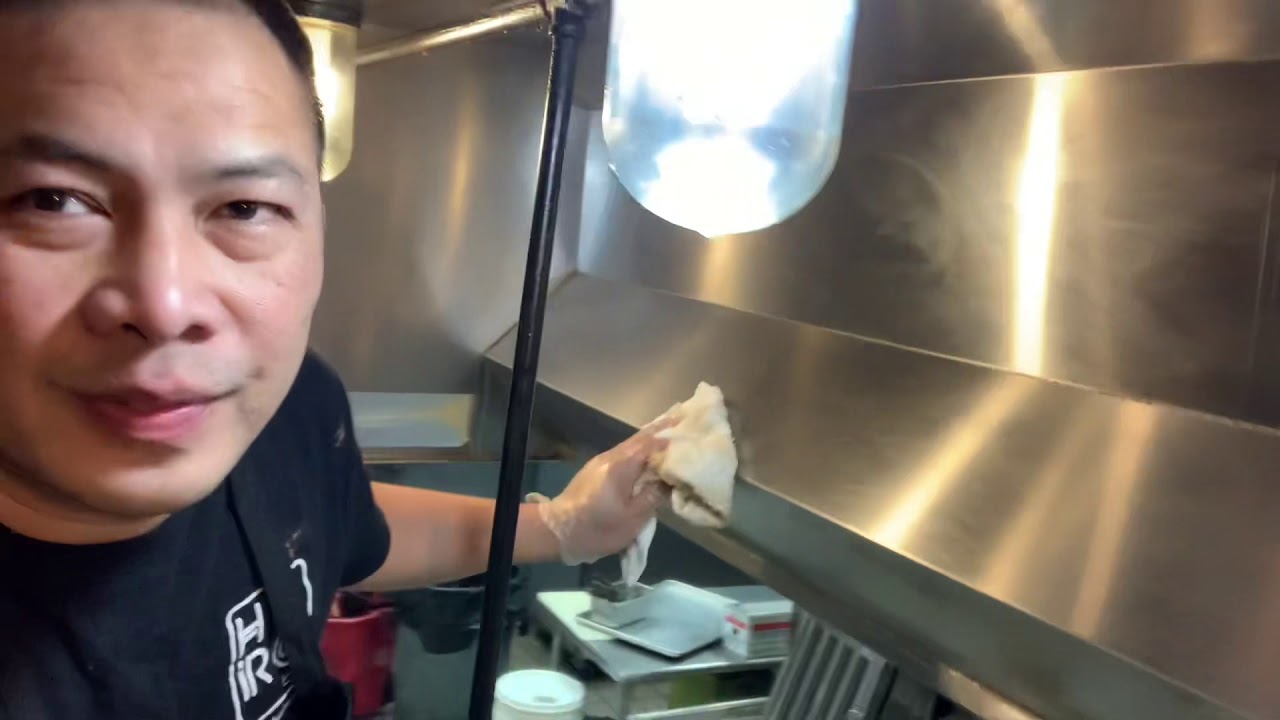
- When to DIY: Routine filter washing, exterior cleaning, and light buildup removal. When to Hire a Pro: If the grease is hardened, if the ductwork is inaccessible, or if you suspect chronic buildup. A professional service brings specialized equipment and knowledge that can detect deep-seated issues.
"A little preparation prevents a lot of panic," is a proverb that applies perfectly here. By taking proactive steps, you turn potential stress into quiet confidence.
Investing in Your Kitchen's Safety Future
Making your kitchen compliant is not a chore; it is an investment in the safety of your patrons and your livelihood. By treating the ventilation system with the respect it deserves, you ensure that your culinary passion can continue without interruption. Do you really want to wait until an inspection notice arrives to start caring for your equipment?
The most successful kitchens are those where safety protocols are woven into the fabric of daily operations. By understanding the science of grease buildup and committing to a structured, routine cleaning plan, you are not just passing an inspection; you are safeguarding your business. Taking control of your ventilation system means eliminating a major point of failure and ensuring that the only thing smoking is the perfect meal.